
When you need an MRI in Miami, language shouldn’t be a barrier to getting quality care. Many Latino patients feel more comfortable discussing their health concerns in Spanish, especially when dealing with anxiety about medical procedures. Speaking your native language with medical staff helps you understand your diagnosis better and ask the right questions about your treatment. We provide complete Spanish-language services, from scheduling your appointment to explaining your results, making your entire experience clearer and less stressful. Why Language Matters in Medical Imaging Medical procedures can be scary. Adding language barriers makes everything worse. Understanding Your Procedure Clear communication...
MRI for Sports Injuries in Miami
Miami athletes train and compete year-round, which means injuries happen constantly. When you twist your knee on the tennis court or feel shoulder pain after swimming, X-rays often miss the real problem. MRI scans show exactly what’s wrong with muscles, tendons, and ligaments that other imaging can’t see. Miami’s sports medicine centers use advanced MRI technology to diagnose injuries accurately and get you back to your sport as quickly as possible. What Makes MRI Different from Other Scans? MRI sees what other tests miss. X-rays Show Bones Only X-rays are great for: Broken bones Dislocations Joint alignment But they can’t...
Breast Imaging for Younger Women in Miami
When you’re young and breast cancer runs in your family, the usual screening rules don’t apply. Most women wait until 40 or 50 for their first mammogram, but doctors now know this can be too late for women with strong family histories. Miami medical centers have created special programs to screen younger women who face higher risks, giving them the early detection they need before problems develop. Who Should Start Screening Early? Not every young woman needs breast imaging. But certain factors put you in the high-risk category. Strong Family History You might need early screening if you have: Two...
Breast Density and Its Impact on Imaging in Miami Women
Breast density shows how much fibrous and glandular tissue you have compared to fat. On a mammogram, dense tissue looks white while fat looks dark. About 4 out of 10 women have dense breasts; it’s completely normal. Your genetics, age, and hormones determine your breast density, not how your breasts feel or their size. Density can change as you age, usually becoming less dense after menopause. The Four Types of Breast Density Doctors classify breast density into four categories: Almost entirely fatty – mostly fat tissue Scattered areas of density – some dense tissue mixed with fat Heterogeneously dense –...
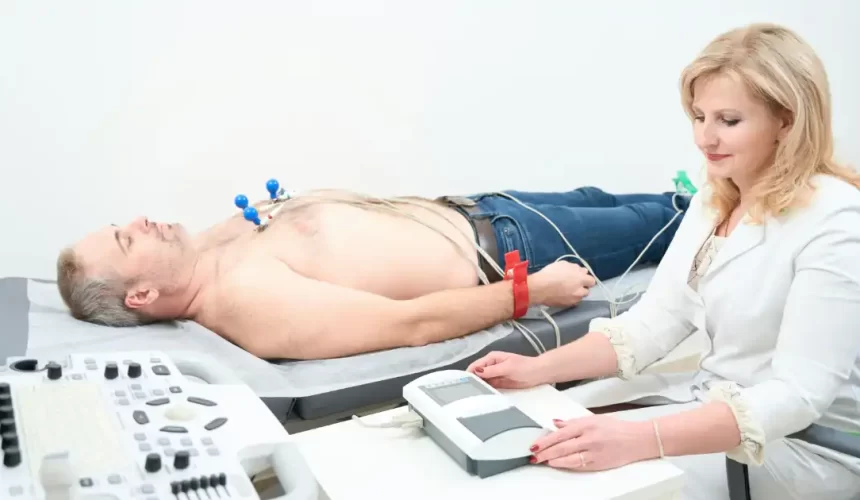
Cardiac Stress Test vs. Echocardiogram
People with heart symptoms often hear about two common tests: the cardiac stress test and the echocardiogram. Both check heart health, but they do different things. Which one do you need? The answer depends on your symptoms, health history, and what your doctor is looking for. This article explains what each test does and how to know which might be right for you. What Is a Cardiac Stress Test? A cardiac stress test checks how your heart works during exercise or stress. You may walk or run on a treadmill, or take medication to increase your heart rate if you...
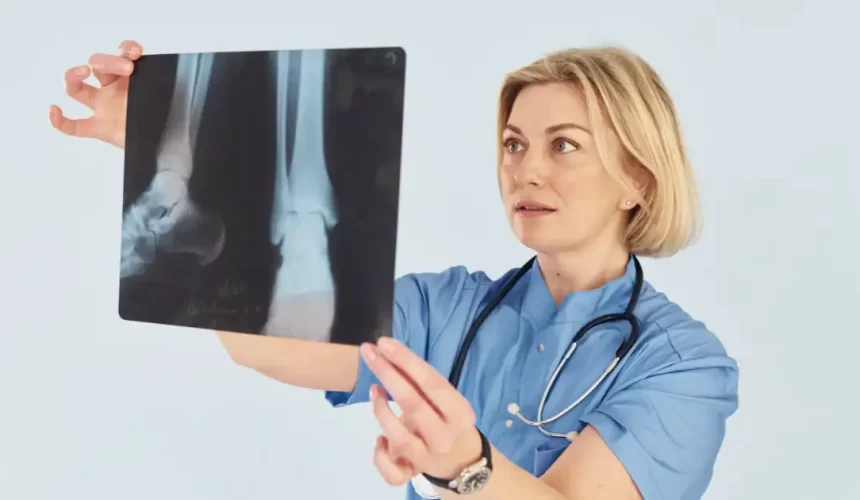
Can an X-Ray Show Broken Bones, Infections, or Cancer?
Yes, an X-ray can show broken bones, infections, or signs of cancer, but there are limits to what it can detect. They are very effective at revealing bone fractures, making them the preferred method for detecting broken bones. They can also show certain infections, especially if they cause changes in bone or lung tissue. Imaging scans can reveal unusual masses or growths that could be cancer, but these tests cannot always confirm if a spot is cancerous without further testing. Can an X-Ray Show Broken Bones? Yes. X-rays are the primary tool for detecting broken bones. They clearly show the...
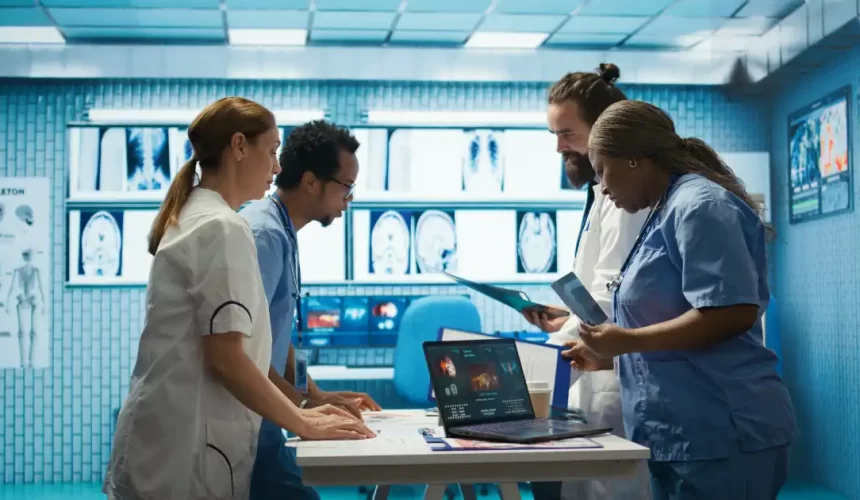
Red Flags to Watch For When Picking a Medical Imaging Center
Choosing a medical imaging center is important for your health. You want clear results and safe care. Here are the main red flags to watch for when picking a medical imaging center. Lack of Proper Accreditation A trustworthy imaging center should have proper accreditation. This demonstrates that they adhere to safety and quality standards. If a center does not display certification from reputable organizations like the American College of Radiology (ACR) or the Intersocietal Accreditation Commission (IAC), this is a significant red flag. Without accreditation, you cannot be certain that the center adheres to important safety standards. Outdated or Poorly...

Can You Wear Deodorant to a Mammogram?
Can you wear deodorant to a mammogram? The answer is simple: No, you should not wear deodorant to a mammogram. We will explain why, what happens if you forget, and how to prepare for your mammogram appointment. We’ll also answer common questions to help you feel confident and ready for your screening. The Reason You Shouldn’t Wear Deodorant to a Mammogram The main reason is that deodorants, antiperspirants, powders, and lotions can contain tiny particles of aluminum or other metals. These particles can appear on your mammogram as white spots, which may resemble cancer or other breast issues. These white...
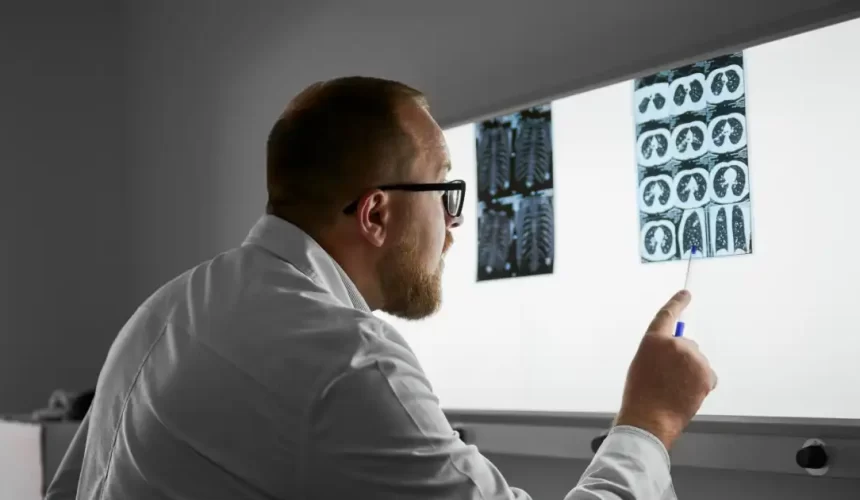
Insurance and Medical Imaging: What’s Usually Covered and How to Check
Understanding if your medical imaging tests, like X-rays, MRIs, CT scans, or ultrasounds, are covered by insurance can save you time, stress, and money. Coverage may vary depending on your insurance provider, the specific plan, and the location where the imaging is performed. I will help you understand what’s typically covered, explain why pre-authorization is important, and provide straightforward ways to check your coverage easily. Commonly Covered Imaging Tests Most insurance companies typically cover these types of imaging tests: X-rays: Used for checking bones and lungs. MRI scans: Provide detailed pictures of tissues, joints, and organs. CT scans: Used for...
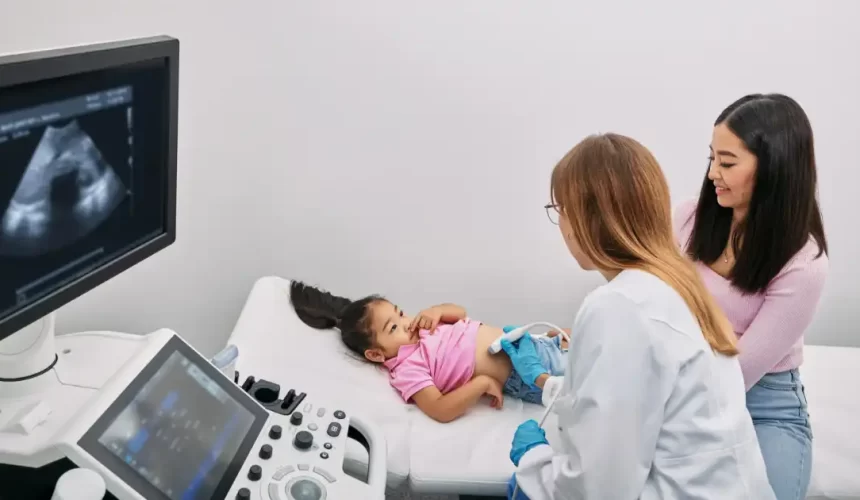
How to Make Your Child’s Imaging Appointment Less Scary: Tips for Parents
Medical imaging tests, such as X-rays, ultrasounds, or MRI scans, can seem scary or confusing to many children. The unfamiliar machines, strange noises, and unknown environment can cause worry or nervousness. As a parent, your support and understanding can significantly ease your child’s anxiety. By preparing ahead and clearly explaining what will happen, you can help your child approach the imaging appointment with calm confidence. Here are some easy and practical tips to help you and your child feel prepared and make the imaging appointment less scary. Talk About the Test in Simple Words Explain the test to your child...