
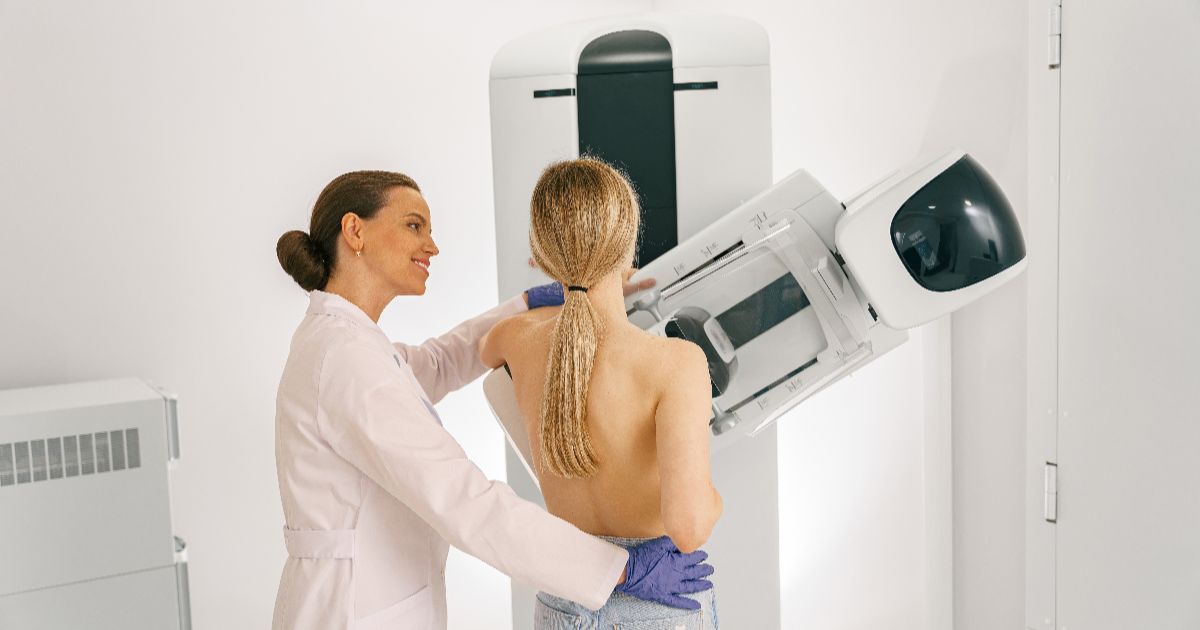
Mammograms help find breast changes early, often before symptoms appear. Many women have simple questions about mammograms, what to expect, and how to prepare, so I want to answer the most common ones clearly and directly.
We will focus on real questions women ask before an appointment. Each answer is short, clear, and easy to understand.
What Is a Baseline Mammogram?
A baseline mammogram is your first mammogram. It provides an initial image of your breast tissue.
Doctors use this first exam to compare future mammograms. Changes are easier to identify when an earlier image is available for review.
Most women get a baseline mammogram between ages 35 and 40, depending on risk factors and doctor advice.
Can I Wear Aluminum-Free Deodorant to a Mammogram?
No. You should not wear aluminum-free deodorant to a mammogram.
Even deodorants without aluminum can leave residue. These particles may show up on images and look like tiny white spots.
To avoid problems:
- Do not wear deodorant
- Do not wear antiperspirant
- Do not wear powders or creams
You can apply deodorant after the exam.
What If My Breasts Are Too Small for a Mammogram?
Breasts are never too small for a mammogram. Mammograms work for all breast sizes.
Technologists are trained to position small breasts correctly. The machine adjusts to fit the breast tissue.
Does a Mammogram Hurt Small Breasts?
A mammogram may be uncomfortable, but breast size does not determine pain.
Small breasts can feel pressure just like larger breasts. The pressure lasts only a few seconds and helps get clear images.
Let the technologist know if you feel pain. They can adjust positioning when possible.
Can You Wear Makeup to a Mammogram?
Yes. You can wear makeup to a mammogram.
Just avoid makeup near the chest or underarms. Some products contain minerals that can affect images if they transfer to the skin.
Face makeup is fine.
Can You Wear Rings During a Mammogram?
Yes. You can wear rings during a mammogram.
Rings do not affect breast images. You may need to remove necklaces or chest jewelry if they interfere with positioning.
If unsure, ask the technologist before the exam starts.
Can I Shave My Armpits Before a Mammogram?
Yes. You can shave your armpits before a mammogram.
Shaving does not affect the exam or results. Some women prefer to shave for comfort, especially since the underarm area may be imaged.
Just avoid applying deodorant or lotion after shaving on the day of the test.
Can You Get a Mammogram With Implants?
Yes. You can get a mammogram if you have breast implants.
Special imaging views are used to move the implant back and show more breast tissue. This allows physicians to visualize the surrounding area of the implant.
It is important to tell the imaging center about implants when booking your appointment.
This guide on how breast implants can affect imaging results explains what happens and why extra views are used.
Why Is Caffeine Avoided Before a Mammogram?
Doctors often suggest avoiding caffeine before a mammogram because caffeine can make breasts more tender.
Caffeine may increase sensitivity, which can make pressure feel more uncomfortable during the exam.
Can You Drink Coffee Before a Mammogram?
Yes. You can drink coffee before a mammogram.
Avoiding caffeine is optional, not required. If your breasts feel sensitive before exams, skipping coffee for a day or two may help reduce discomfort.
Can You Get a Mammogram With Nipple Piercings?
Yes. You can get a mammogram with nipple piercings, but they usually must be removed.
Metal jewelry can block images or create shadows. This can reduce image quality.
If piercings cannot be removed, tell the technologist. They will explain the next steps and image limitations.
How Long Does a Mammogram Take?
A typical mammogram takes about 15 to 20 minutes.
The actual imaging time is short. Most of the time is spent positioning the breast correctly.
Diagnostic mammograms may require additional imaging.
Does a Mammogram Hurt?
A mammogram uses pressure to flatten the breast. This pressure can feel uncomfortable.
The pressure:
- Lasts only a few seconds
- Helps get clear images
- Is adjusted if pain is severe
Most women describe it as uncomfortable rather than painful.
How Often Should You Get a Mammogram?
Screening schedules depend on age and risk.
Many women start yearly or biennial mammograms at age 40. Some start earlier if they have higher risk factors.
Your physician can help determine what schedule is appropriate for you.
What Happens After a Mammogram?
After the exam:
- Images are reviewed by a radiologist
- Results are sent to your provider
- You may be asked back if more images are needed
Being called back does not mean cancer. It often means a closer look is needed.
Clear Answers Help You Feel Prepared
Mammograms raise many questions, and those questions are valid. Knowing what to wear, what to avoid, and what to expect makes the process easier. Breast size, implants, piercings, or shaving do not prevent accurate imaging.
I believe clear answers lead to confident care. When you understand the exam, you can focus on what matters most, protecting your breast health and catching changes early.