
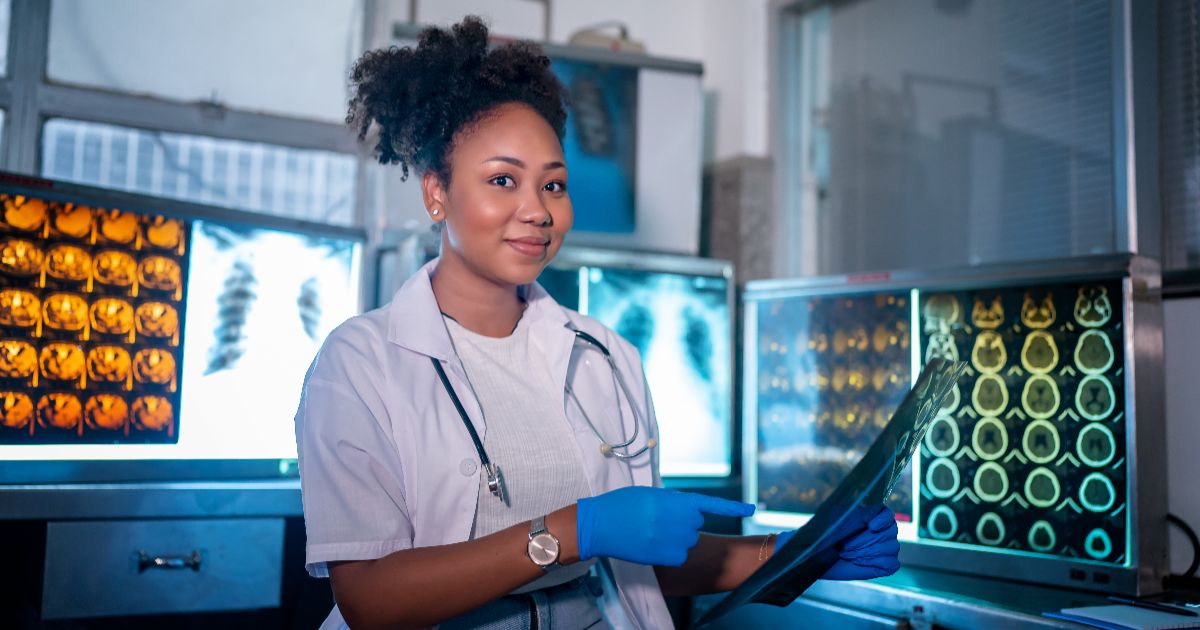
Diagnostic radiology is a medical field that uses imaging tests to find and diagnose diseases inside the body.
It helps doctors see bones, organs, tissues, and blood vessels without surgery.
Doctors use imaging tools to detect injuries, infections, tumors, and many other health problems.
These images guide treatment and help monitor progress.
Uses Imaging to Find Disease
Diagnostic radiology uses medical images to identify health problems. Radiologists study these images and provide detailed reports to other doctors.
Imaging tests show what is happening inside the body. This helps doctors confirm a diagnosis quickly and safely.
Common conditions found through imaging include:
- Broken bones
- Lung infections
- Tumors
- Internal bleeding
- Organ damage
This field plays a key role in early detection and treatment planning.
Common Tests
Diagnostic radiology includes several imaging methods. Each test serves a specific purpose.
X-Rays Show Bones and Lungs
X-rays create quick images of bones and certain organs. Doctors often use them to find fractures or chest infections.
X-rays are fast and widely available.
CT Scans Provide Detailed Cross-Sectional Images
CT scans use X-rays and computer technology to create detailed cross-sectional images of the body.
Doctors use CT scans to detect:
- Tumors
- Internal injuries
- Stroke
- Abdominal problems
CT scans give more detail than standard X-rays.
MRI Scans Show Soft Tissues Clearly
MRI scans use magnets and radio waves to produce detailed images of soft tissues.
MRI helps doctors evaluate:
- Brain conditions
- Spinal cord issues
- Joint injuries
- Muscle damage
MRI does not use radiation.
Ultrasound Uses Sound Waves
Ultrasound uses sound waves to create images of organs and blood flow.
Doctors often use ultrasound for:
- Pregnancy monitoring
- Gallbladder issues
- Kidney problems
- Blood clot detection
Ultrasound is safe and does not use radiation.
What Does a Diagnostic Radiologist Do?
A diagnostic radiologist is a medical doctor trained to read imaging studies. They analyze images and send reports to your primary doctor or specialist.
Radiologists do not usually treat patients directly. They focus on interpreting medical images.
Their role includes:
- Reviewing scans
- Identifying abnormal findings
- Writing detailed reports
- Consulting with other doctors
Their work helps guide the next steps in care.
Importance
Diagnostic radiology allows doctors to diagnose diseases without surgery. It saves time and reduces risk.
Early detection improves treatment outcomes. Imaging also helps monitor ongoing conditions.
Doctors rely on accurate imaging to:
- Confirm a diagnosis
- Plan surgery
- Track treatment progress
- Screen for disease
This field supports almost every medical specialty.
Is is Safe?
Diagnostic radiology is safe. Some tests use low levels of radiation. Others use no radiation at all.
Safety depends on the type of scan:
- X-ray and CT use radiation
- MRI and ultrasound do not
Medical teams follow strict safety guidelines to limit exposure.
Radiation doses are kept as low as possible while still producing clear images.
When Do You Need Diagnostic Radiology?
Doctors order imaging when symptoms require a closer look inside the body.
Common reasons include:
- Severe pain
- Injury
- Persistent cough
- Headaches
- Swelling
Imaging helps confirm the cause of symptoms.
It also supports routine screenings such as mammograms and lung scans.
Diagnostic Radiology vs Interventional Radiology
Diagnostic radiology focuses on finding disease. Interventional radiology uses imaging to guide treatments.
For example:
- Diagnostic radiology identifies a blockage.
- Interventional radiology may place a stent to treat it.
Both fields use imaging, but their goals differ.
Why We Need Diagnostic Radiology
Diagnostic radiology helps doctors see inside the body quickly and safely. It supports early detection, accurate diagnosis, and better treatment planning.
Without imaging, many conditions would remain hidden. This field allows doctors to act with confidence.
If your doctor orders imaging, it plays an important role in protecting your health. Diagnostic radiology continues to improve patient care across every stage of life.