
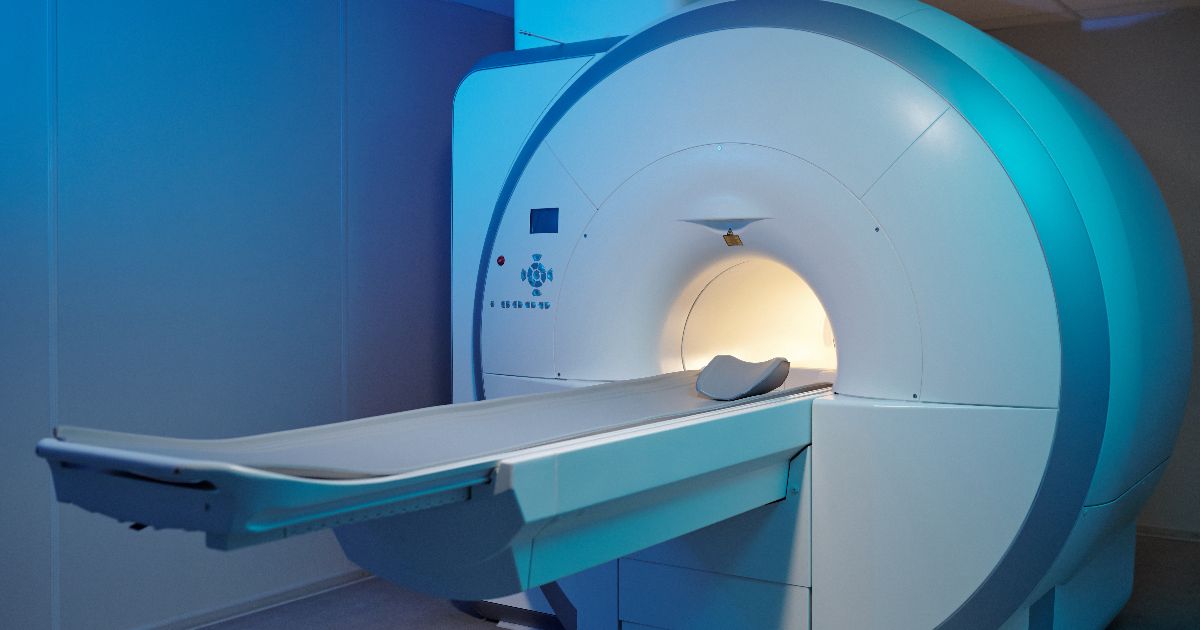
Magnetic Resonance Cholangiopancreatography (MRCP) is a non-invasive imaging test that uses magnetic fields to create clear pictures of the liver, gallbladder, bile ducts, and pancreatic ducts.
Doctors use it to check for blockages, stones, tumors, and swelling in these areas.
It does not use radiation. It does not require surgery. It gives detailed images using strong magnets and radio waves.
What Does an MRCP Show?
An MRCP shows the bile ducts, pancreatic ducts, liver, and gallbladder in detail. It helps doctors see blockages, stones, strictures, or tumors without inserting a scope.
This test focuses on the fluid inside the ducts. Fluid shows up bright on the images. This makes it easy to see narrow areas or obstructions.
An MRCP can show:
- Gallstones in the bile duct
- Blocked bile ducts
- Pancreatic duct narrowing
- Cysts or tumors
- Signs of inflammation
- Congenital duct problems
If a patient has upper belly pain, yellow skin, or abnormal lab results, this scan can help identify the cause.
How MRCP Works
MRCP uses magnetic resonance imaging (MRI) technology. The machine uses a strong magnet and radio waves to create detailed images of soft tissues.
There is no cutting. There are no instruments placed inside the ducts. The patient lies on a table that slides into the MRI scanner.
Here is how it works step by step:
- The patient lies flat on the table.
- The table moves into the scanner.
- The machine takes images for about 15 to 30 minutes.
- The patient must stay still during the scan.
Some patients may receive contrast through an IV. This helps improve image quality in certain cases.
The test is painless. The machine makes loud tapping sounds. Ear protection is provided.
Why Doctors Order MRCP?
Doctors order Magnetic Resonance Cholangiopancreatography (MRCP) to check for problems in the bile ducts and pancreas without surgery.
It gives clear images and helps guide treatment decisions.
Common reasons include:
- Suspected bile duct stones
- Jaundice (yellowing of skin and eyes)
- Pancreatitis
- Abnormal liver function tests
- Tumor evaluation
- Ongoing abdominal pain
If a doctor suspects a bile duct blockage, MRCP can confirm it. It helps avoid more invasive procedures if not needed.
In many cases, MRCP replaces older tests that required scopes or dye injections into the ducts.
Is MRCP Safe?
Yes, MRCP is considered very safe. It does not use radiation and does not require surgery.
However, MRI uses strong magnets. Patients with certain metal implants may not be able to have this test.
You should tell your doctor if you have:
- A pacemaker
- Metal clips
- Cochlear implants
- Metal fragments in the body
- Severe kidney disease
Most people can safely have this test. Pregnant patients should speak with their doctor first.
How to Prepare for an MRCP
Preparation for the MRCP is simple. Most patients must not eat or drink for about 4 hours before the test.
This helps reduce stomach fluid and improve image clarity.
Here is what to expect:
- Wear loose clothing
- Remove jewelry
- Avoid metal objects
- Inform staff about implants
If contrast is needed, an IV will be placed in your arm.
The scan usually takes less than 30 minutes.
What Conditions Can MRCP Detect?
MRCP can detect many conditions that affect the bile ducts and pancreas. It is especially helpful for duct-related problems.
Common conditions include:
- Gallstones in bile ducts
- Bile duct strictures
- Pancreatitis
- Pancreatic cancer
- Bile duct cancer
- Cysts
- Congenital abnormalities
If the ducts are blocked, bile cannot flow normally. This can cause pain, infection, or jaundice. MRCP helps doctors see exactly where the blockage is.
Advantages of Magnetic Resonance Cholangiopancreatography
Magnetic Resonance Cholangiopancreatography (MRCP) provides detailed duct images without surgery or radiation. It is safe, accurate, and non-invasive.
Key benefits include:
- No radiation exposure
- No internal instruments
- High-quality images
- Lower risk than invasive procedures
- Useful for diagnosis
Because it focuses on fluid in the ducts, it creates very clear images of narrow areas.
It helps doctors make better decisions without putting patients at high risk.
When Is MRCP Not Enough?
MRCP is for diagnosis only. It cannot treat a blockage or remove a stone.
If a stone is found in the bile duct, another procedure, such as ERCP, may be required.
MRCP gives answers. Treatment happens afterward if needed.
This makes it a strong first step when doctors suspect duct problems.
Clear Answers About MRCP and Your Health
Magnetic Resonance Cholangiopancreatography (MRCP) is a safe, non-invasive MRI test that shows the bile and pancreatic ducts in detail.
It helps doctors diagnose blockages, stones, tumors, and inflammation without surgery.
We rely on this imaging method because it reduces risk and provides clear answers. It helps develop the right treatment plan. It also prevents many unnecessary invasive procedures.
If your doctor recommends this scan, it means they need a close look at your bile ducts or pancreas. The process is simple, safe, and effective.
When imaging the biliary and pancreatic ducts, MRCP provides strong diagnostic value with low risk.
That balance makes it one of the most trusted tools in modern medical imaging.

Leave a Reply