
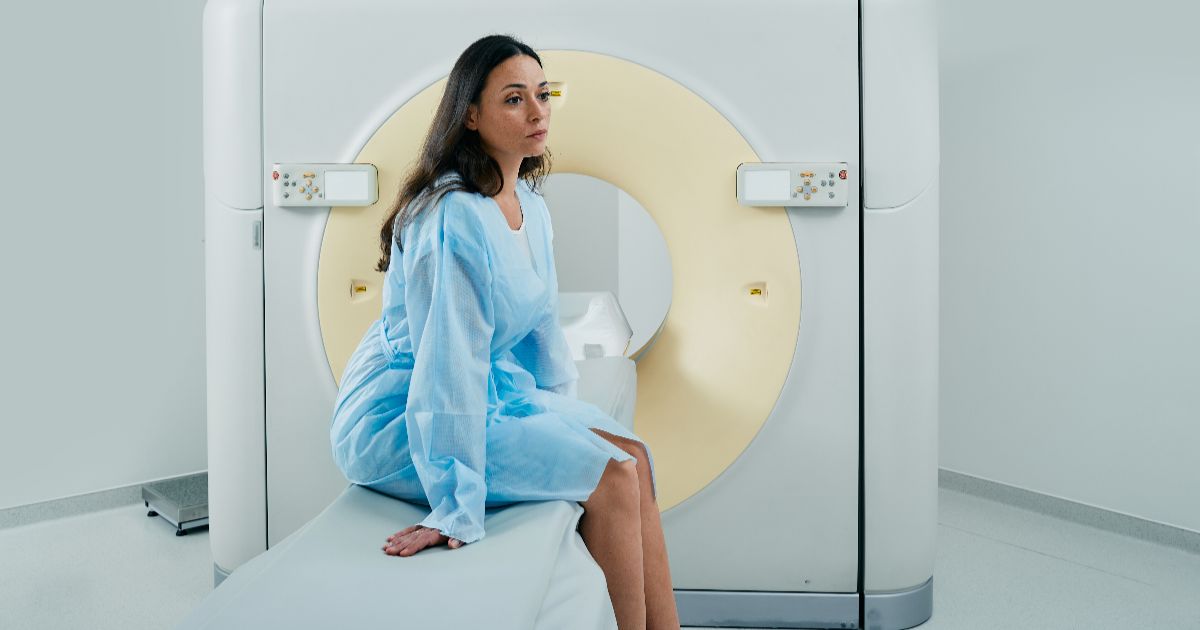
Medical imaging radiation depends on the test. X-rays use low doses, and CT scans use higher doses, measured in millisieverts (mSv).
Most exams use small amounts of radiation, and doctors keep the dose as low as possible while still getting clear images.
Radiation in Medical Imaging
Radiation in medical imaging is energy used to create pictures inside your body. X-rays and CT scans use ionizing radiation to see bones, organs, and tissues.
Ionizing radiation can change cells. High doses can increase cancer risk. Low doses, like those used in most imaging tests, carry a very small risk.
Not all imaging uses radiation.
- Uses radiation: X-rays, CT scans, fluoroscopy, mammograms
- Does not use radiation: MRI, ultrasound
This is important. Many people confuse MRI with radiation. MRI uses magnets, not radiation.
How Is Radiation Measured?
Radiation dose is measured in millisieverts (mSv). The higher the number, the higher the dose.
To make it easier, I compare medical imaging doses to natural background radiation.
Every year, we are exposed to about 3 mSv from natural sources like the sun and soil.
Here is how common exams compare.
Radiation Dose from X-Rays
Most X-rays use very small amounts of radiation. A single X-ray is usually equal to a few days or weeks of natural background exposure.
Here are average doses:
- Chest X-ray: 0.1 mSv
- Dental X-ray: 0.005 mSv
- Mammogram: 0.4 mSv
- Abdominal X-ray: 0.7 mSv
A chest X-ray equals about 10 days of natural background radiation. That is considered very low.
For most healthy adults, this level of exposure is not harmful.
Radiation Dose from CT Scans
CT scans use more radiation than X-rays because they take many images at once. CT scans give detailed pictures of organs and tissues.
Here are common CT doses:
- CT Head: 2 mSv
- CT Chest: 7 mSv
- CT Abdomen and Pelvis: 8–10 mSv
- CT Whole Body Trauma Scan: 10–20 mSv
A CT abdomen equals about 3 years of natural background radiation.
That sounds high, but doctors order CT scans when the benefits outweigh the risks. For example, in trauma cases, CT scans can save lives.
Are These Radiation Levels Dangerous?
Here is the simple answer: one or two imaging exams rarely cause harm. Repeated high-dose exams over many years may increase risk slightly.
Scientists estimate that a dose of 10 mSv may increase lifetime cancer risk by about 0.05%. That means 5 extra cases per 10,000 people.
This is considered a small risk.
Doctors follow strict safety rules. They use the lowest dose possible. This approach is called ALARA, which means “As Low As Reasonably Achievable.”
How Doctors Reduce Radiation Exposure
Medical teams take many steps to limit radiation.
These include:
- Using modern low-dose machines
- Adjusting the dose by body size
- Avoiding unnecessary repeat scans
- Choosing MRI or ultrasound when possible
- Shielding sensitive organs
Technology has improved a lot. Today’s CT scanners use lower doses than older machines.
Hospitals track radiation doses. Many systems store patient imaging history to avoid duplicate exams.
Understanding Your Radiation Exposure from Imaging
Medical imaging radiation is measured, monitored, and controlled. Most common exams expose you to low levels that are considered safe when needed for diagnosis.
We balance risk and benefit every time we order a scan. That balance protects your health while giving doctors the information they need.
If you ever feel unsure, ask your provider to explain the reason for the test.
Clear communication builds confidence and helps you make informed decisions about your care.

Leave a Reply