
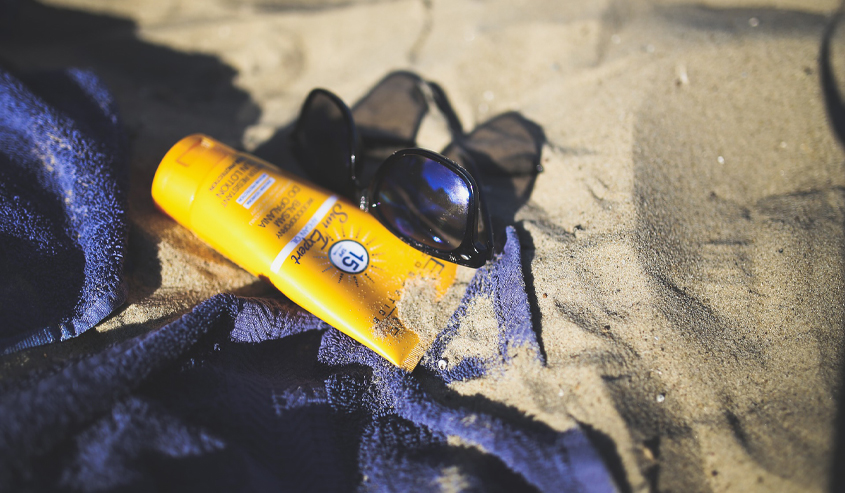
Here in South Florida, we know about the sun. Most of us have had the unfortunate experience of suffering from too much after a day out in our tropical weather climate. But not all UV exposure comes from the sun (think: tanning beds).
Most of us understand that too much UV exposure is not healthy and puts us at risk of skin cancer. We understand the necessity of applying adequate sunscreen and keeping our skin protected during certain times of the day. But there are many factors that come into play when it comes to UV rays and how we protect ourselves.
Risk Factors of UV Exposure
The amount of UV exposure we get depends on:
- The season of the year. UV rays are stronger during our spring and summer months.
- The time of day. UV rays will be strongest during the hours of 10 a.m. and 4 p.m.
- Closeness to the equator. The closer you are to the equator, the greater your risk.
- Cloud cover. UV rays can penetrate clouds so your exposure can even be high on a cloudy day.
- Surface reflection. UV rays can bounce off surfaces making them stronger in areas of water, sand and even certain pavements.
- The higher the altitude, the more UV rays make it to the ground.
For people like us who live in South Florida with our year-round sunshine, it’s important to recognize that we have a higher risk of getting skin cancer and require extra protection outdoors.
Seek Shade
Protection from the sun should be a commonplace here in Florida. Taking the simple precautions of staying indoors or in the shade during peak UV times of the day is one easy way, especially at the beach to help prevent skin cancer.
UV rays will penetrate water so you are just as subject to burning in the water as you are on dry land. Some UV rays will also penetrate glass, some tinted windows will help block UV rays but this depends on the type of tinting.
Cover Up
It’s important to cover up when you are going to be exposed to UV rays but different fabrics provide different levels of protection. Dark colors and more tightly woven fabrics are better protection than light colors or loosely woven fabrics. Dry fabrics are more protective than wet ones. The rule of thumb is that if you can see light through a fabric, UV rays can get through it.
Many companies now make lines of clothing that protect against UV rays. These may have a UPF rating on a scale from 15 to over 50. The higher the rating, the more protective the garment.
Use Appropriate Sunscreen
It’s imperative to understand that sunscreen is merely a filter and does not block all UV rays. The SPF is the level of protection against UVB rays. Values of 30 SPF and higher are recommended and the sunscreen should be applied often and correctly.
Only products that have been tested and shown to protect against both UVA and UVB rays can be labeled “broad spectrum”. These products are the only ones that can state that they protect against skin cancer and early aging. Keep in mind there is no such thing as “waterproof” or “sweatproof” sunscreen.
Diagnostics for Skin Cancer
If your doctor suspects skin cancer, he or she will do a visual inspection and even a biopsy. In some instances, if it appears that a skin cancer has spread, your doctor may order a non-invasive imaging procedure such as a CT scan, an MRI or an X-ray. Contact us today to help schedule your appointment.