
Imaging centers play an important role in modern healthcare by offering a variety of scans that help doctors diagnose and treat medical conditions. These scans provide detailed images of the inside of your body, allowing doctors to see things that can’t be detected through a physical exam alone.
Each type of scan has its own strengths and specific uses, which can significantly affect the accuracy of diagnosis and the effectiveness of treatment. Understanding what each scan does and how it works can help you feel more informed and comfortable if you ever need one.
X-rays
X-rays are one of the most common imaging tests. They use a small amount of radiation to create pictures of the inside of your body. X-rays are great for looking at bones and can help diagnose fractures, infections, and arthritis. They are quick and usually take just a few minutes.
Computed Tomography (CT) Scans
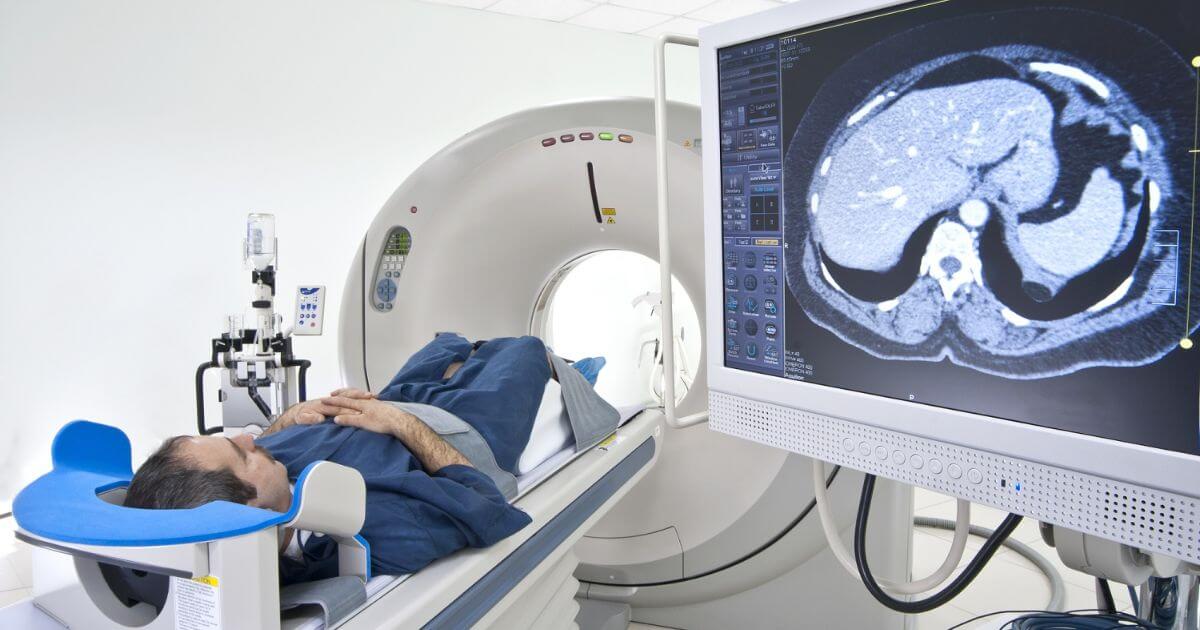
CT scans, or CAT scans, use X-rays and computer technology to create detailed images of your body. These scans can show bones and soft tissues, making them helpful in diagnosing conditions like cancer, infections, and internal injuries. CT scans are more detailed than regular X-rays and typically take 10-30 minutes.
Magnetic Resonance Imaging (MRI)
MRI scans use powerful magnets and radio waves to produce detailed images of the inside of your body. Unlike X-rays, MRI does not use radiation, making it particularly good for looking at soft tissues like the brain, muscles, and ligaments. MRI scans can take longer, usually between 30 and 60 minutes.
Ultrasound
Ultrasound uses sound waves to create images of the inside of your body. It’s commonly used during pregnancy to check on the baby, but it can also examine other organs like the heart, liver, and kidneys. Ultrasound is safe and painless and usually takes about 30 minutes.
Mammography
Mammography is a special X-ray type used to examine the breast tissue. It’s primarily used to screen for breast cancer. Regular mammograms can detect changes in breast tissue before they can be felt, making early detection possible. The procedure usually takes about 20 minutes.
Positron Emission Tomography (PET) Scans
PET scans use a small amount of radioactive material to examine how your organs and tissues work. They are often used to detect cancer, examine brain function, and check heart health. PET scans can provide information that other imaging tests cannot, and they typically take 1-2 hours.
Fluoroscopy
Fluoroscopy is imaging that shows a continuous X-ray image on a monitor, much like an X-ray movie. It’s often used to guide procedures such as catheter insertions, examine moving body structures, or check how well certain organs function. The duration varies depending on the procedure.
Nuclear Medicine Scans
Nuclear medicine scans, such as bone scans and thyroid scans, use small amounts of radioactive materials to diagnose and monitor various conditions. These scans can show how your organs and tissues are functioning. They help detect cancers, heart disease, and other conditions. The scan time can vary, often taking a few hours.
Angiography
Angiography uses X-rays and a special dye to visualize blood vessels in the body. It’s often used to look for blockages or abnormalities in the arteries and veins, especially in the heart, brain, and legs. Depending on the complexity, the procedure can take anywhere from 30 minutes to a few hours.
Dual-energy X-ray Absorptiometry (DEXA) Scans
DEXA scans measure bone density and assess the risk of osteoporosis. They use low-dose X-rays to examine the bones, usually in the hip and spine. This quick and painless test typically takes 10-20 minutes.
Conclusion
Imaging centers offer various scans to help diagnose and monitor various health conditions. Each type of scan has unique uses and benefits, providing valuable information to doctors for accurate diagnosis and treatment. From X-rays and CT scans to MRIs and ultrasounds, these imaging techniques play a vital role in modern medicine, allowing for early detection and effective management of many health issues.
If you have questions about a specific scan or the process, don’t hesitate to ask your healthcare provider for more information. They can explain the purpose, procedure, and what the results might mean for your health.