
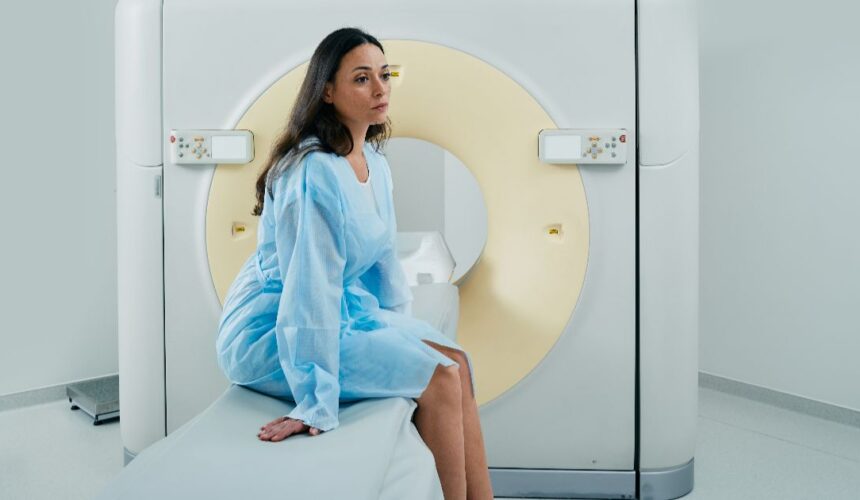
Medical imaging radiation depends on the test. X-rays use low doses, and CT scans use higher doses, measured in millisieverts (mSv). Most exams use small amounts of radiation, and doctors keep the dose as low as possible while still getting clear images. Radiation in Medical Imaging Radiation in medical imaging is energy used to create pictures inside your body. X-rays and CT scans use ionizing radiation to see bones, organs, and tissues. Ionizing radiation can change cells. High doses can increase cancer risk. Low doses, like those used in most imaging tests, carry a very small risk. Not all imaging...
Blog
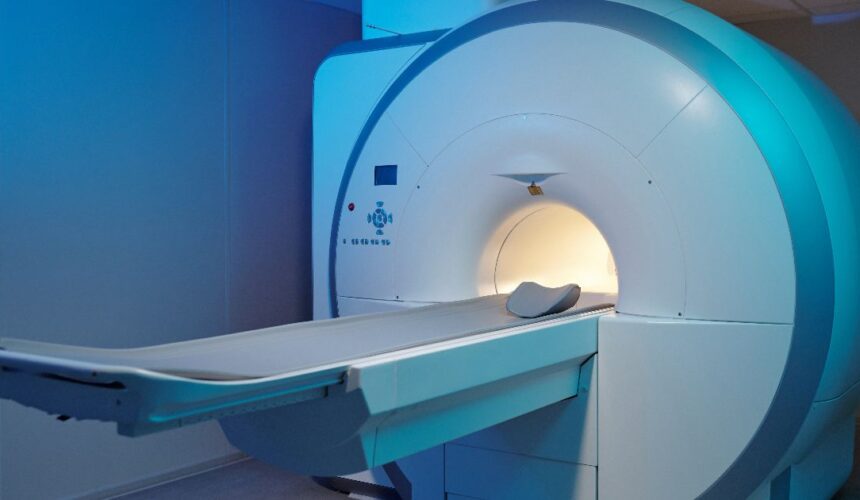
What Is A Magnetic Resonance Cholangiopancreatography (MRCP)?
Magnetic Resonance Cholangiopancreatography (MRCP) is a non-invasive imaging test that uses magnetic fields to create clear pictures of the liver, gallbladder, bile ducts, and pancreatic ducts. Doctors use it to check for blockages, stones, tumors, and swelling in these areas. It does not use radiation. It does not require surgery. It gives detailed images using strong magnets and radio waves. What Does an MRCP Show? An MRCP shows the bile ducts, pancreatic ducts, liver, and gallbladder in detail. It helps doctors see blockages, stones, strictures, or tumors without inserting a scope. This test focuses on the fluid inside the ducts....

What Is Diagnostic Radiology?
Diagnostic radiology is a medical field that uses imaging tests to find and diagnose diseases inside the body. It helps doctors see bones, organs, tissues, and blood vessels without surgery. Doctors use imaging tools to detect injuries, infections, tumors, and many other health problems. These images guide treatment and help monitor progress. Uses Imaging to Find Disease Diagnostic radiology uses medical images to identify health problems. Radiologists study these images and provide detailed reports to other doctors. Imaging tests show what is happening inside the body. This helps doctors confirm a diagnosis quickly and safely. Common conditions found through imaging...
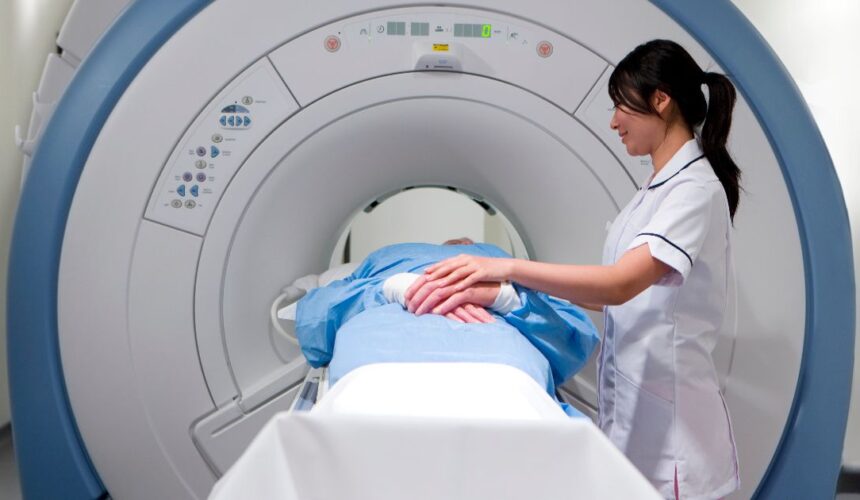
Can You Have an MRI With Metal in Your Body?
Yes, you can have an MRI with metal in your body in many cases, but it depends on the type of metal and its location. Some metals are safe in MRI, while others pose serious risks. MRI scans use strong magnets. Metal reacts differently depending on its material. That is why doctors always check your medical history before the scan. Titanium Titanium is safe for most MRI scans because it is not strongly magnetic. It does not move or heat up easily inside the machine. Many medical implants use titanium. These include: Joint replacements Bone screws Plates Some dental implants...
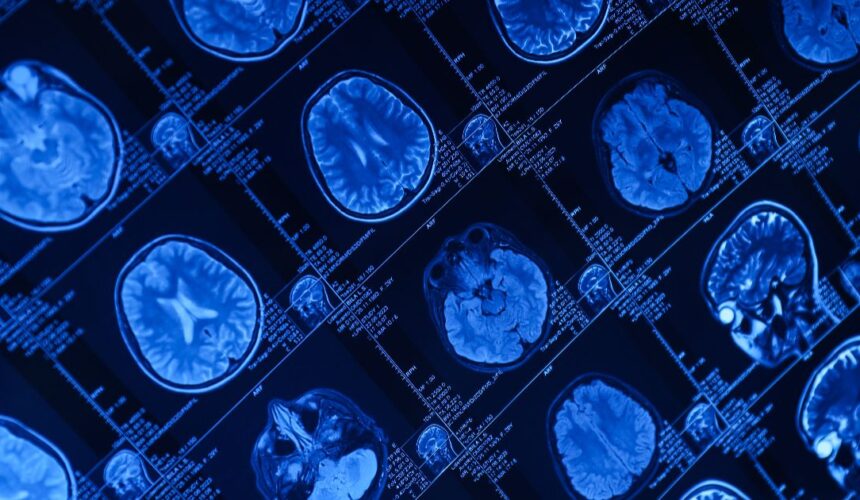
What Is Functional MRI?
Functional MRI is a brain imaging test that shows how your brain works in real time. It tracks changes in blood flow in the brain to map active areas during tasks such as thinking, speaking, or moving. How Functional MRI Works Functional MRI, also called fMRI, measures brain activity by tracking changes in blood flow. When a part of the brain works harder, it needs more oxygen. Blood flow increases in that area. The scanner detects these small changes. A computer then creates color maps that show active brain areas. Unlike a regular MRI, which shows brain structure, this test...
What Is Digital Breast Tomosynthesis?
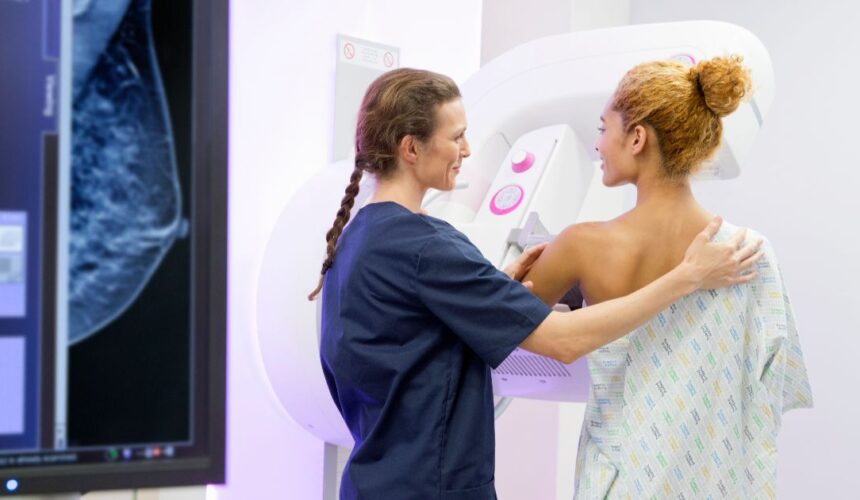
Digital breast tomosynthesis is a modern mammography technique that takes many low-dose X-ray images of the breast and reconstructs them into thin layers. Digital breast tomosynthesis helps doctors see breast tissue more clearly than a standard mammogram. How Digital Breast Tomosynthesis Works It takes many low-dose images and turns them into clear breast layers. Digital breast tomosynthesis works by taking several X-ray pictures of the breast from different angles. A computer then stacks these images into thin slices. This allows the doctor to examine the breast one layer at a time. It reduces overlap from normal breast tissue. That overlap...
The Ultimate Mammograms Guide and FAQs
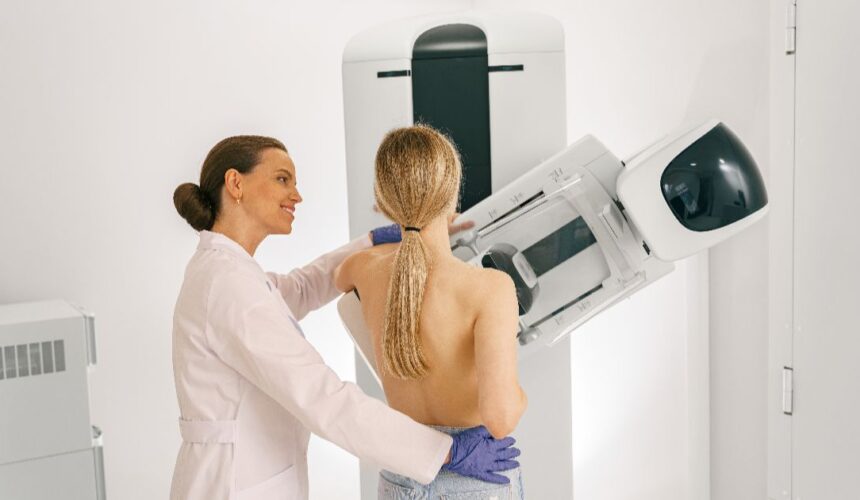
Mammograms help find breast changes early, often before symptoms appear. Many women have simple questions about mammograms, what to expect, and how to prepare, so I want to answer the most common ones clearly and directly. We will focus on real questions women ask before an appointment. Each answer is short, clear, and easy to understand. What Is a Baseline Mammogram? A baseline mammogram is your first mammogram. It provides an initial image of your breast tissue. Doctors use this first exam to compare future mammograms. Changes are easier to identify when an earlier image is available for review. Most...

What Is a Diagnostic Mammogram?
A diagnostic mammogram is a special breast imaging test used to look closer at a specific breast concern. It gives doctors more detailed images than a routine screening mammogram. This test helps doctors understand changes in the breast and decide on the next steps. I will describe how it works, why it is ordered, and what you can expect, using clear, simple language. Diagnostic Mammogram vs. Screening Mammogram A screening mammogram checks for early signs of breast cancer in women who have no symptoms. A diagnostic mammogram is used when there is a concern that needs a closer look. Doctors...

Nuclear Medicine: How Women Benefit from Thyroid & Heart Scans
Nuclear medicine helps women find health problems early using safe imaging tests. Nuclear medicine uses small amounts of tracer to show how organs work, not just how they look. These scans play an important role in women’s health. They help doctors spot thyroid issues and heart problems that may not show clear symptoms at first. I want to explain how these scans work, why they matter for women, and what to expect in simple terms. What Is Nuclear Medicine Imaging? Nuclear medicine is a type of medical imaging. It shows how organs function inside the body. Doctors use a small...

Silicone vs. Saline Implants and Imaging
These two implant types can affect imaging in different ways, so knowing the difference helps you make better health choices. Breast imaging plays a big role in breast health. It helps doctors find lumps, changes, or early signs of disease. If you have implants, imaging still works, but the process may look slightly different. I want to explain this in simple terms so you feel informed and confident. What Are Silicone and Saline Breast Implants? Silicone implants are filled with a soft gel. They often feel more like natural breast tissue. Many women choose them for this reason. Saline implants...
Common Imaging Insurance Issues Miami Patients Face
Imaging insurance issues affect many patients in Miami every year. Insurance issues often lead to surprise bills, delayed scans, or denied claims. Many patients assume insurance will cover imaging without problems. That is not always true. Understanding common issues helps you avoid stress and extra costs. Imaging Insurance Problems Happen Often Medical imaging costs a lot. Insurance companies set strict rules to control spending. These rules can confuse patients. Imaging demand is high in Miami. Many plans have limits, approvals, and network rules. When one step is missed, the bill may fall on the patient. Knowing the common problems helps...
How Breast Implants Can Affect Imaging Results
Breast implants can change how imaging results look during your exam. They don’t prevent you from being scanned, but they can make the images harder to read and change how the test is administered. Many women with implants feel nervous about getting scans. Some think the implants will block the view. Others worry the imaging will damage their implants. The truth is easier than that. Imaging still works fine, but it takes extra care and skill. If you want to learn more about how implants affect mammograms specifically, check out what women need to know about breast implants and mammograms....
Breast Health Signs Younger Women Should Never Ignore
Breast health signs can appear at any age, even in younger women. Breast health signs should never be ignored because early action can protect your health and bring peace of mind. Many young women believe breast issues only affect older adults. That is not true. Knowing what to watch for helps you take control of your health early. New or Unusual Breast Lumps A new lump is one of the most common breast health signs. Not all lumps are cancer, but all new lumps need attention. Watch for lumps that are: Hard or firm Fixed in place Growing over time...
7 Signs an Imaging Center Puts Speed Over Care
A medical imaging center prioritizes patient care over speed. A medical imaging center that rushes exams can compromise comfort, safety, and image quality. Fast service sounds good, but when speed becomes the top goal, problems can happen. Patients often do not know what to look for. Many assume quick scans mean better service. That is not always true. Below are clear signs that a medical imaging center may prioritize speed over patients. 1. Short Appointment Times That Feel Rushed One clear sign is very short appointment slots. Some centers book patients back-to-back with no buffer time. You may notice: You...
How Sleep Studies in Miami Can Improve Women’s Lives
Sleep problems are common in women, but many don’t know the real cause. Almost 1 in 5 women have obstructive sleep apnea, yet nearly 90% are undiagnosed. Many women think sleep apnea only affects older men who snore, but that’s not true. Women often have different signs, such as fatigue, morning headaches, or trouble falling asleep. Because of this, their sleep problems are often missed or mistaken for stress. If you wake up tired, feel low energy during the day, or struggle with insomnia, a sleep study in Miami could help uncover the problem and guide you toward better health....
MRI, MRA, MRV – What Miami Women Should Know About These Scans
Women in Miami hear the terms MRI, MRA, or MRV when their doctor says they need a scan. These names can sound confusing, but each one has a simple and clear purpose. An MRI is used to take detailed pictures of the inside of the body, such as the brain, spine, or joints. An MRA focuses on the blood vessels, helping doctors identify problems such as blockages or narrowing. An MRV also looks at blood vessels, but is often used to check the veins and see how blood is flowing. Knowing the difference between these tests helps you better understand...
PET-CT Scans in Miami: A Woman’s Guide to Advanced Cancer Detection
PET-CT is one of the most advanced tools for finding and tracking cancer in Miami. For women facing breast cancer, ovarian cancer, or other serious diagnoses, a PET-CT scan can show exactly where cancer is and how active it may be. This gives doctors a clear roadmap for treatment and helps women feel more informed about their care. What Is a PET-CT Scan? A PET-CT scan is a special test that combines two types of medical imaging: PET (Positron Emission Tomography): This scan shows how cells in your body are working. Cancer cells often grow faster and use more energy...
Mammogram Miami: Early Detection & New Screening Guidelines
Mammograms in Miami are more important now than ever. Updated breast cancer screening guidelines recommend women begin mammograms at age 40. This change can save lives because breast cancer caught early is almost 100% curable. Why Early Detection Matters Breast cancer is one of the most common cancers in women. Thousands of women rely on screening every year in Miami. The goal is simple: find cancer early, when it is easiest to treat. Cancers found early often mean less invasive treatment. Survival rates are much higher with early detection. Peace of mind comes from knowing your health is being watched...