

National Women’s Health Week serves as an annual reminder that all women are more alike than different and need to make their health a priority. Even during the COVID-19 pandemic, you can safely stay active and healthy in a number of ways. We invite all mothers, daughters, sisters, and girlfriends to join Vital Imaging during this week as we encourage you all to prioritize your health during this time. Learn the Steps to Take Towards Better Health When making your health a priority during National Women’s Health Week, you can improve your physical as well as your mental health by...
Blog

Global Hand Hygiene Day
May 5th, 2021 is World Hand Hygiene Day, sponsored by the WHO, and is part of the CDC’s “Clean Your Hands Campaign.” Every year on this date, people mobilize to promote the adherence to proper hand hygiene in healthcare facilities worldwide, by protecting healthcare workers as well as their patients from serious infections. Furthermore, this year’s “Save Lives: Clean your hands” campaign has been aligned with the “Year of the Nurse and the Midwife” which promotes the recognition of nurses and midwives as heroes deserving of acknowledgement and appreciation. Clean Your Hands The primary goal of this campaign is recognizing...
National Stroke Awareness
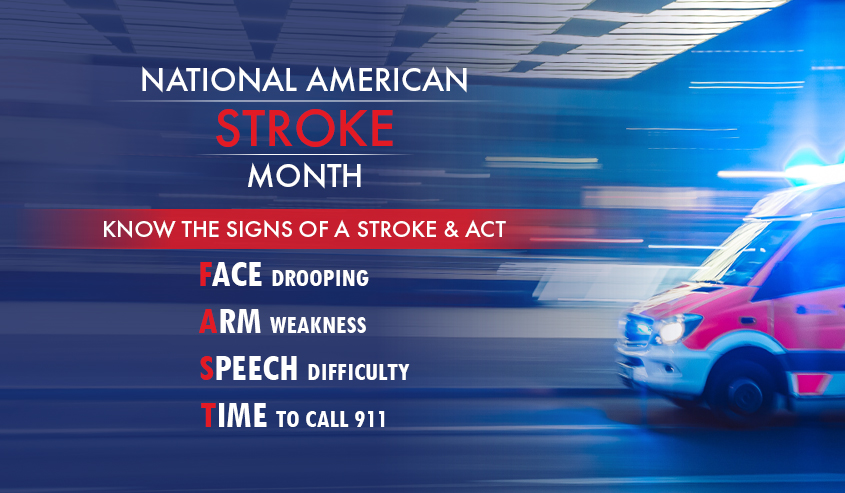
May, 1989 marked the beginning of National Stroke Awareness Month. At that time, President George H.W. Bush signed Proclamation 5975 to create public awareness of strokes and hopefully reduce the incidence of them. The U.S. Government along with the American Heart Association, the National Stroke Association, and a number of other non-profit organizations work in conjunction with one another to educate Americans about preventing strokes and to provide important resources to stroke victims. Knowing the F.A.S.T. Warning Signs The American Heart Association created the acronym “F.A.S.T.” to explain the warning signs of a stroke and enhance the responsiveness to an...
How to Detect If You Have Oral Cancer?
When talking about health problems, mentioning cancer is one of the hardest things to do. The truth is that, with the correct treatment and an early diagnosis, people suffering from this disease may be able to survive. An important factor to keep in mind is how the patient is going to respond to the treatment will determine how fast the patient can recover from this disease. That’s why, if you suspect having oral cancer, you need to seek professional help as soon as possible. Early detection is key! Oral Cancer Symptoms There are several symptoms that could give you a...
Parkinson’s Awareness Month
Having a chronic disease is not something easy at all, but having the support and advice you may need can help you cope with the everyday challenges. Talking about Parkinson’s, people suffering from this disease have the opportunity to get the help and guidance they need from reliable sources. This neurodegenerative disorder is the cause for many people around the world to suffer from lack of coordination, balance, shakiness, stiffness and other problems related. Just like any other chronic disease, it can be hard for people to get adapted to their new situation. That’s why every April is being held...

Stress Awareness Month
In this modern world we’re living, we have found solutions for the everyday problems that have bothered us for so many years. But the truth is that the oldest problems of humanity are still with us, and even worse than in the beginning. Stress. Many people are overwhelmed with problems and worries. Stress is one of the primary causes of mental health problems, such as anxiety and depression, cardiac problems, insomnia, low immune system, and many others. Due to this growing problem, every April has been held as Stress Awareness Month since 1992. In this 30-day challenge, people are encouraged...
How Can I Know if I Am Suffering from Irritable Bowel Syndrome (IBS)?
Living with a constant disease can be hard, but if you know how to treat it correctly, it will be way easier to deal with it in the long run. If you suspect you’re suffering from Irritable Bowel Syndrome, or by its acronym IBS, there are some things you can do to treat it properly. First of all, you need to recognize the symptoms, that way, you’ll know how much this disease has been affecting you. Since this disease affects the digestive system some of the main ones are diarrhea, stomach cramps, stomachache, bloating, and constipation. Although it may seem...
2021 World Tuberculosis Day
Every year, on March 24th, we take a day to commemorate World Tuberculosis (TB) Day. The purpose of World TB Day is to, step by step, raise more public awareness about the many consequences of tuberculosis. Tuberculosis not only affects the health of an individual but also damages its social relations and severely affects its financial position. One of the purposes of World TB Day is to end the tuberculosis epidemic around the world. Facts About World TB Day The date that was chosen for this commemoration marks that day in which Dr. Robert Koch, in 1882, made a crucial...

How to Start Caring About Your Health
You may be wondering what is National Nutrition Month and since when is it a thing? Don’t worry, we’re here to answer those questions and also give you some tips about how to improve your health during this month and in the future as well. Remember that, even if we are in the National Nutrition Month, that does not mean that you should only care about your health during these weeks. What is National Nutritional Month? National Nutrition Month also called National Nutritional Month, is a campaign done once a year, which was developed by the Academy of Nutrition and...

What You Need to Know About Sonograms and the Difference With Ultrasounds
People often make a common mistake, which is to believe that both a sonogram and an ultrasound mean the same thing. These terms used interchangeably, are actually quite distinct. Let’s have a quick survey of the most obvious differences between both: An ultrasound is a technological means manipulated to take pictures A sonogram is the product of an ultrasound; a picture To give a small metaphor, we can talk about ultrasound as a producer, while the sonogram is the end product of its labor. When we talk about sonography, we refer to the use of ultrasound as a tool for...
What is the Brain Injury Awareness Month?
The Brain Injury Awareness Month is recognized yearly in March. This month and the meaning we have given to it gives us the chance to highlight the prevention of traumatic brain injury, usually abbreviated as TBI, and to further research to improve the wellbeing of individuals who are living with them and their families. But what is TBI? As stated above, TBI stands for traumatic brain injury. TBIs can have terrible consequences, and they are always caused by some impact or force exerted over the head or the body. They can also be caused by penetrating injuries to the head....
Heart Health Valve Disease Awareness Day
The month of February is all about your heart and keeping it healthy. For instance, it’s American Heart Month while the 7th through the 14th is Congenital Heart Defects Awareness Week as well as National Cardiac Rehabilitation Week. However, did you know that the 22nd is not only George Washington’s birthday, it’s also Heart Valve Disease Awareness Day? Interestingly enough, over 11 million Americans suffer with HVD yet 75% of all Americans know little if anything about it. The goal of this day is to increase recognition and raise awareness of heart valve disease as well as the risks and symptoms...

National Cardiac Rehabilitation Week
The week of February 8th through the 14th is National Cardiac Rehabilitation Week and founded by the AACVPR (American Association of Cardiovascular and Pulmonary Rehabilitation). Established in 1985, the AACVPR focuses on increasing awareness of cardiac rehabilitation and its many benefits. The organization’s primary goal is to reduce the disability and mortality caused by cardiac and pulmonary disease through clinical research, education, management, prevention, and rehabilitation. What does Cardiac Rehabilitation involve? Many individuals at risk of or are already suffering with heart disease have improved their physical health and performance with cardiac rehabilitation. So, what exactly does it involve? Cardiac...

Congenital Heart Defect Awareness
The American Heart Association named the month of February as American Heart Month. However, there are other heart health awareness campaigns that occur during this month as well. What is a Congenital Heart Defect? A congenital heart defect occurs before birth and is a condition where the blood vessels adjacent to the heart or the heart itself don’t develop normally. The term “congenital” means existing at birth. Although congenital heart disease and congenital heart defect are often used interchangeably, defect is the more accurate of the two. This condition is not a disease but an abnormality. Your pediatrician or other...
American Heart Month: Diagnostic Imaging in Heart Health
In addition to the month of February being American Heart Month, the focus is also on women’s heart health. As you may or may not know, cardiovascular disease or heart disease is the #1 killer of women. So, in order to raise awareness, the American Heart Association created “Go Red for Women”, its signature women’s initiative that happened this past Friday. Go Red for Women is a comprehensive platform that was developed to increase awareness of women’s heart health. Consequently, people are urged to wear red on that day to commemorate this initiative. After reading this blog post head on...
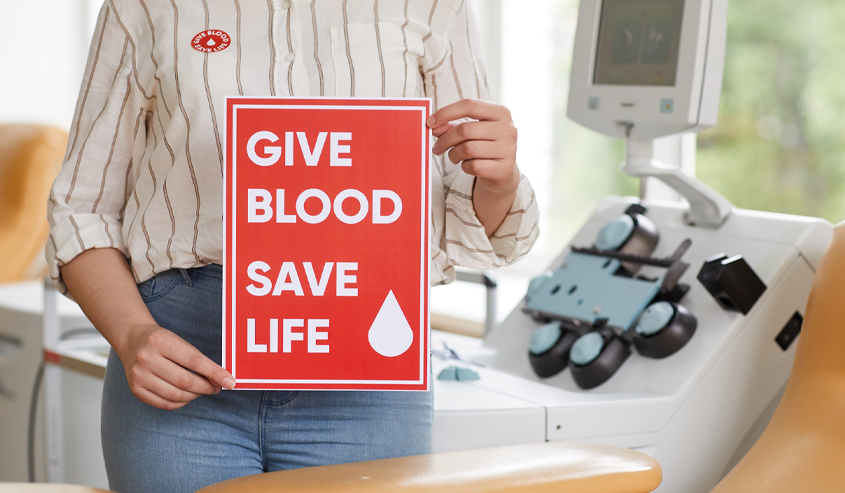
National Blood Donor Month
In addition to the start of the New Year, January is National Blood Donor Month, the observation of which was inspired by the American Red Cross that began in January, 1970 under former President Richard M. Nixon. If you’re wondering why the month of January, it’s because blood and platelet donations decline while the demand increases. Consequently, millions of Americans including car accident victims, cancer patients, and organ recipients rely on others to donate blood. The Importance of Blood Donations The Red Cross collects roughly 5.6 million blood donations annually from 3.3 million individuals. This is needed for the creation of...
National Glaucoma Awareness
For those of you that have been blessed with healthy eyesight, visiting the eye doctor and having a tonometry test performed may not be high on your list of priorities. But for those of you who wear contacts or corrective lenses, your optometrist has performed this test every time you visited them for your annual eye exam. The month of January is National Glaucoma Awareness Month and is sponsored by both the National Eye Institute and the American Academy of Ophthalmology. “The Sneak Thief of Sight” Since there are no identifiable symptoms of the disease, glaucoma is often referred to...
Cervical Health Awareness Month
Due to the fact that nearly 13,000 American women are diagnosed with cervical cancer every year, the U.S. Congress has designated the month of January as Cervical Health Awareness Month. The hope was that it would raise awareness of the disease as well as the significant role that diagnostic screenings can play in a woman’s cervical health journey. At one time, cervical cancer was one of the leading causes of death among women and is frequently diagnosed among women ages 35 to 44. Cervical Cancer Deaths are Decreasing Fortunately, we have witnessed a decrease in cervical cancer related deaths thanks...