
A bilingual mammogram center changes the quality of your care, because nearly everything that makes the exam useful depends on communication.
You describe symptoms, answer history questions, follow positioning instructions, and later read a written report.
Anything lost in translation lowers what your radiologist can see and what you can act on.
In a county where roughly three out of four residents speak a language other than English at home, that gap is common.
What Language Access Really Looks Like at an Imaging Center
Real language access covers five touchpoints, not one. A greeting in Spanish at the front desk means little if the rest of the visit switches back to English.
- Scheduling and insurance questions on the phone.
- The intake form asking about symptoms, family history, and past biopsies.
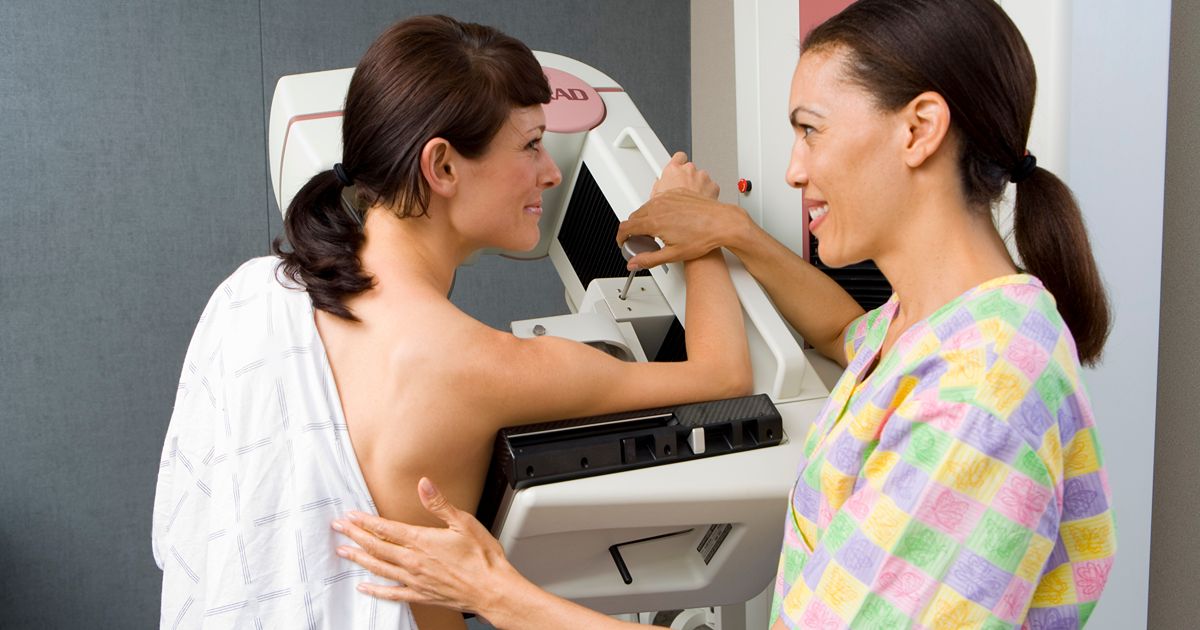
- The technologist giving positioning and breath-holding instructions.
- The call about your results.
- The written report and lay summary you take home.
A center that handles all 5 in your language is doing something different from one that happens to employ a bilingual receptionist.
The same standard applies across services, which is why we cover bilingual MRI centers separately.
Why Bilingual Mammogram Centers in Miami Get Better Information
Your history shapes how the radiologist reads your images. That is the part most people miss.
History changes interpretation
If you cannot explain that you felt a lump in the upper outer quadrant six weeks ago, that detail never reaches the reader.
It might change the exam from screening to a diagnostic mammogram entirely. Surgical scars, past biopsies, hormone therapy, and family history all shift how a finding gets classified.
Positioning depends on instructions
A good mammogram requires you to hold still, hold your breath, and relax your shoulder at the right moment.
When instructions are unclear, patients tense up, images blur, and the technologist repeats views. More repeats mean more compression and more time on your feet.
Research backs this up broadly. A scoping review of studies on limited English proficiency and healthcare access found differences in access and use of care, with poorer outcomes for patients facing language barriers. Preventive screening shows up in that pattern.
The Report You Have to Be Able to Read
Since September 2024, every mammography facility must include a breast density assessment in your report and a plain language notification in your patient summary.
The FDA now requires that density statement nationwide. Dense tissue makes cancer harder to find and slightly raises risk, so that sentence is meant to prompt a conversation with your doctor.
Here is the practical problem. Speaking English and reading medical English are different skills.
Many patients handle a conversation fine, then hit a wall on a written summary full of terms like tomosynthesis and BI-RADS.
Ask the center if they provide the lay summary in Spanish or Haitian Creole.
Our explainer on 2D and 3D mammograms covers some of that vocabulary, and our post on what happens after your results walks through the next steps.
What Federal Law Already Gives You
You have more rights here than most patients realize. Under Section 1557 of the Affordable Care Act, health programs that receive federal funding, including centers that accept Medicare or Medicaid, must take reasonable steps to provide meaningful access for patients with limited English proficiency.
Three points matter for your visit:
- Interpretation must be free to you and provided in a timely way.
- Interpreters and translators must be qualified, not just staff who happen to speak the language.
- Facilities cannot rely on your family member to interpret, and cannot use a minor child except briefly in an emergency. You may still choose to have an adult companion interpret if you request it.
That last rule protects you. A daughter translating “suspicious calcifications” for her mother is carrying weight she was never trained to carry.
Four Questions to Ask Before You Book
- Which languages does your staff speak, and does that include the technologist, not only the front desk? Miami is not only Spanish. About one in twenty residents speaks Haitian Creole at home.
- Do you provide a qualified interpreter at no cost if no one on shift speaks my language?
- Will my results letter come in my language?
- Who calls me if something needs follow-up, and can that person speak with me directly?
If a center brushes past these, treat it as a signal about the rest of the operation.
Our post on speed over care covers the other warning signs, and our women’s wellness services page shows what a full breast health visit should include.
Care You Can Understand Is Care That Works
Language is not a courtesy at an imaging center.
It is part of the exam, because the history you give and the report you read both shape what happens next.
Ask about all five touchpoints before you book, and remember that qualified interpretation is your right, not a favor.