
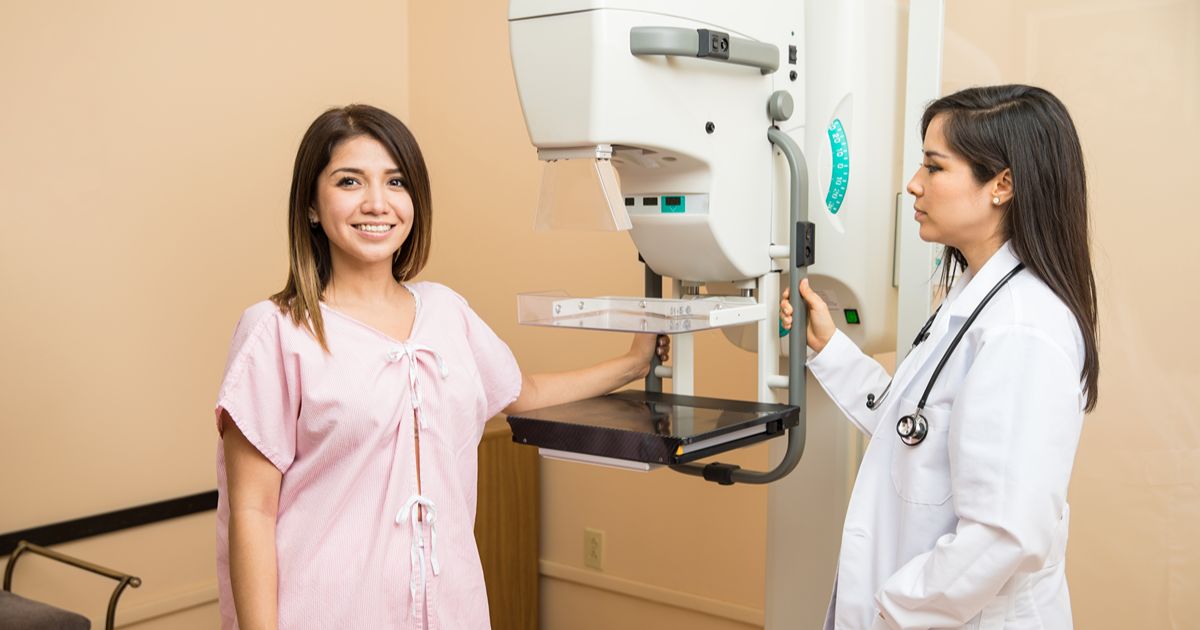
A walk-in mammogram is a fine choice for a routine yearly screening, and a scheduled appointment is the safer choice for everything else.
The split comes down to one question: do you have symptoms or a reason your doctor wants a closer look?
Convenience is real, and so is the risk of showing up on the wrong day for the wrong exam.
Here is how the 2 options compare in practice.
What a Walk-In Mammogram Actually Includes
Walk-in service almost always means a screening mammogram and nothing more. A screening exam is a routine check for women with no symptoms.
Under Medicare rules, a screening mammogram does not require a doctor’s referral, which is exactly why centers can offer open slots.
Most private plans follow the same approach, though a few still want a referral on file.
A diagnostic mammogram is a different exam. It takes extra views, a radiologist often reviews the images while you wait, and it requires an order from your provider.
Our breakdown of screening and diagnostic mammograms explains where the line sits.
The Case for Walking In
Walk-in slots remove the biggest reason women skip screening: the calendar. You do not wait weeks for an opening, you do not rearrange work, and you do not lose the appointment to a canceled babysitter. In a city with traffic, being able to stop in on a slow Tuesday morning is worth a lot.
Three other advantages come up often:
- You can go the same week your doctor mentions it, while it is still on your mind.
- If a slot is quiet, you may be in and out in under 30 minutes.
- No referral chase means no phone tag between two offices.
Where Walk-In Mammograms in Miami Fall Short
The tradeoffs are mostly administrative, and they are the kind that show up later as a bill or a callback.
Insurance surprises
When you schedule, staff verify your plan, your deductible, and your in-network status before you arrive. Walk in, and that check happens after the fact. If your plan counts the visit as diagnostic instead of screening, your cost changes.
The 12-month rule
Medicare pays for one screening mammogram every 12 months, and many private plans mirror that. Walking in at 11 months can shift the whole cost to you. Count the months from your last exam before you go.
Missing prior images
Radiologists compare this year’s images to last year’s, because change over time is what reveals early cancer. Federal rules recognize this.
When a report comes back marked as needing prior mammograms for comparison, the facility has to issue a follow-up report within 30 days.
Scheduling gives the center time to request your old films from another practice. Walking in often means your reader has nothing to compare against.
Longer waits than expected
Walking in does not mean no wait. It means you are fit between booked patients. On a busy afternoon, that can run longer than a scheduled slot would have.
When You Should Always Schedule Instead
Book an appointment and talk to your doctor first in any of these situations:
- You feel a lump, notice nipple discharge, or see skin changes.
- Your last mammogram came back needing more images. Our post on abnormal results walks through what happens next.
- You have breast implants, since implant displacement views take extra time and training.
- You are due for a follow-up at a set interval, like six months.
- You want your images read alongside prior studies from a different center.
Personal history matters here too. Women with dense tissue sometimes need added imaging, and every mammogram report now includes a density category.
The FDA began enforcing that breast density notification requirement in September 2024.
If you already know you have dense breast tissue, a planned visit gives the team room to add a second study the same day.
How to Get the Convenience Without the Headaches
You can have both. Call the center before you head over, even if they take walk-ins, and cover four things in five minutes.
- Confirm the facility is FDA certified, since every mammography facility must hold FDA certification to operate legally.
- Give them your insurance information so they can verify coverage while you drive over.
- Tell them where your last mammogram was done so they can request the images.
- Ask what the exam will cost if your plan does not cover it in full.
Then handle the small stuff on your end. Skip deodorant, powder, and lotion that morning, because the residue can mimic calcifications on the image.
Our post on wearing deodorant explains why. It also helps bring the questions you have been meaning to ask.
The Appointment You Actually Keep Is the Right One
A screening you complete beats a perfect appointment you cancel twice.
If you have no symptoms, you are past 12 months, and you make one quick phone call first, walking in is a smart use of your day.
If anything about your breast health has changed, book the visit and bring your doctor into it, because that exam needs a plan behind it.